


Blogs
Smelly Shoes: The Cause and What Really Helps
You take off your shoes and you know it straight away: they smell. Annoying, but completely normal. Smelly shoes almost always have the same cause, and it’s easy to tackle. Spraying a scent over it only helps for a while. In this blog you will read where the smell comes from, what really works against it and which popular tips you can skip.
In short
- Shoes smell because of bacteria that break down sweat. The damper the shoe, the harder they work.
- The most important fix is drying: give a pair of shoes at least a day’s rest after wearing.
- The insole is often the biggest source of odour. Take it out to air or replace it.
- A spray that neutralises odour works better than one that masks it.
- Cedar shoe trees absorb moisture and give off a fresh wood scent.
Why do shoes start to smell?
Not because of sweat itself, but because of what happens next. Your feet sweat all day, even when you don’t notice. That moisture soaks into your socks, the insole and the lining. Bacteria thrive in that warm, damp environment. They break down the sweat, and that produces the substances you smell.
That points straight to the solution. Anything that makes the shoe drier also makes it fresher. And anything that tackles the bacteria removes the smell at the source.
What helps against smelly shoes?
| Solution | Why it works |
|---|---|
| Giving shoes a day’s rest | The shoe dries out fully, bacteria get less chance |
| Taking out or replacing the insole | The insole absorbs most of the sweat |
| Cedar shoe trees | Cedar absorbs moisture and gives off a fresh scent |
| An odour-neutralising spray | Tackles the cause instead of masking the smell |
| Breathable socks | Less moisture in the shoe |
Let your shoes dry
This is the most important step. A shoe needs about a day to dry completely after wearing. If you wear the same pair every day, it starts each day slightly damp. So alternate between two pairs. After wearing, put the shoes somewhere airy, not in a closed cupboard or bag. Loosen the laces and pull the tongue forward, so the air can get in.
Deal with the insole
The insole sits against your foot for months and absorbs most of the sweat. Take it out regularly after wearing, so both the insole and the shoe can dry. If the smell stays, even after airing, or the insole is worn flat, replace it. With a new insole you remove the biggest source of odour in one go. How to choose the right one is explained in our blog on when to replace insoles.
Use a spray that neutralises
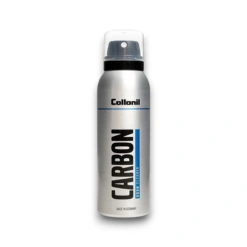
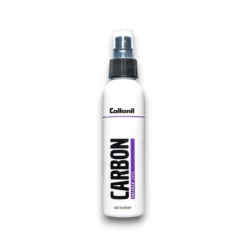
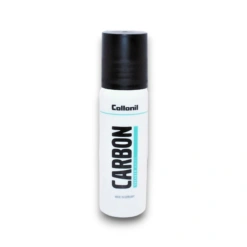
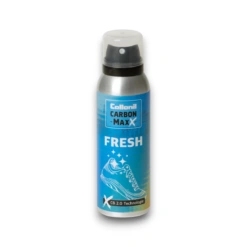
A deodorant or perfume in your shoe masks the smell, but the cause remains. A shoe deodoriser that neutralises odour tackles the source. The Collonil Carbon MaxX Fresh breaks down odour and is fragrance-free. The Jason Markk Refresh Spray tackles the bacteria that cause the smell and comes with a fresh scent or as Fragrance Free. Spray into the shoe after wearing, over the footbed and the lining, and let it dry well before you put it on again.
Put cedar shoe trees in
Cedar shoe trees do two things at once. They keep your shoe in shape and they absorb the moisture left in the shoe after a day’s wear. They also give off a fresh wood scent. Put them in as soon as you take your shoes off, when there’s the most moisture to absorb. Read more in our blog why use shoe trees.
Which tips can you skip?
Shoes in the freezer. A popular tip, but many bacteria survive the cold. As soon as the shoe is warm and damp again, the smell comes back.
Drying on the radiator. The shoe dries faster, but leather and suede turn hard and the glue of the sole can come loose. Let them dry at room temperature instead.
A good home remedy, though: a tablespoon of baking soda in each shoe, left overnight and shaken out well the next morning. It absorbs moisture and odour. Don’t use it in suede shoes, as the powder stays caught in the fibres.
Can you wash smelly shoes?
That depends on the material. Some textile sneakers can go in the washing machine at a low temperature, but check the label or the brand’s website first. Leather, suede and shoes with a glued sole can’t. Either way, wash your laces separately, because they absorb odour too. How to do that is explained in our blog how to wash shoelaces.
Read on: how to refresh old shoes in 6 steps.
Frequently asked questions
Why do my sports shoes smell faster than my other shoes?
Because you sweat more in them and they often go straight into a closed sports bag. Take them out of the bag after training and let them air. An odour spray such as the Collonil Carbon Lab Odor Cleaner can also be used in your sports bag.
Do new insoles help against smelly shoes?
Often, yes. An old insole is one of the biggest sources of odour in a shoe. A new insole removes that source.
How do I get the smell out of second-hand shoes?
Let them air well first and replace the insoles. Then use an odour-neutralising spray such as the Collonil Carbon MaxX Fresh, which deals well with the musty smell of storage.
Does wearing socks help?
Yes. Socks absorb part of the sweat before it soaks into the shoe. Socks made of cotton, wool or a breathable sports fabric work better than socks that hold on to moisture.
All odour sprays are in care and refresh, new insoles in insoles.